Connected and proactive care
AI-driven healthcare surveillance and proactive care recommendation in smart environments
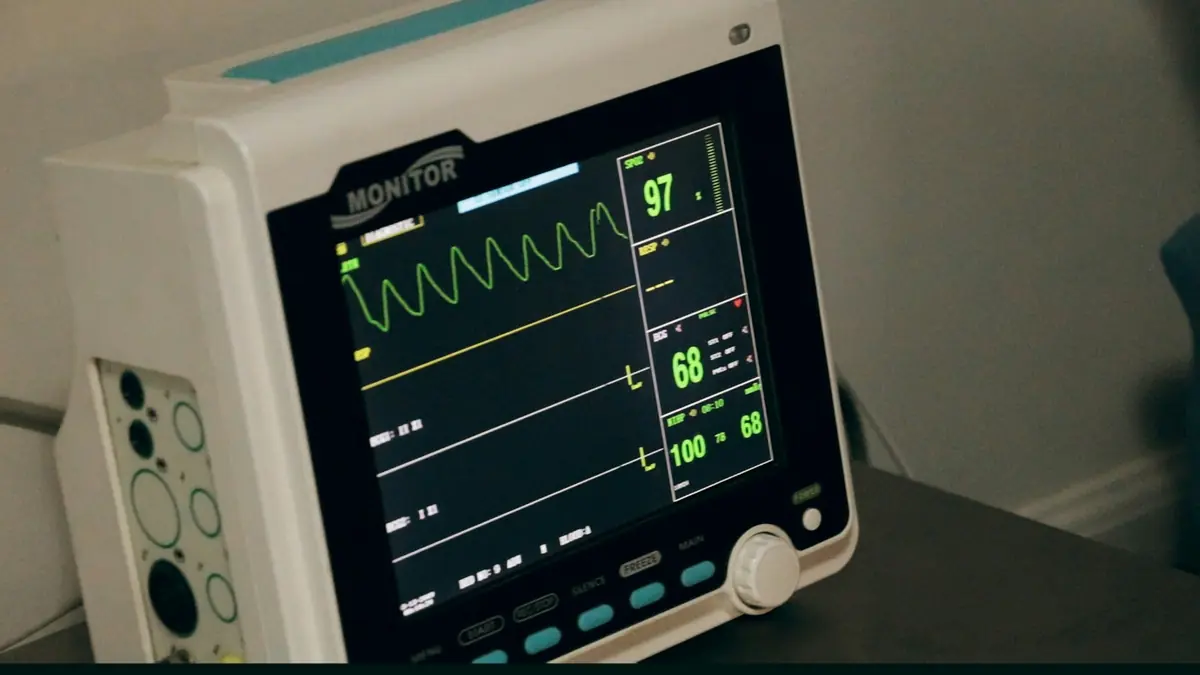
AI that brings together data from connected health devices and clinical knowledge to spot changes early and recommend timely, personalised care for people living with diabetes.
 Project leadDr. Zubair Shah
- 1
- Publication
- 0
- Talks
- 2
- Team members
- 0
- Partners
Summary
We are building AI that learns from the health devices people use every day, such as glucose meters and wearables, together with medical knowledge, to suggest the right care at the right time.
People living with diabetes generate a steady stream of health data at home and in care settings, from glucose meters, wearables and other connected devices. Today, most of this data is never used to guide care.
This project develops AI for smart health environments that monitors these signals, links them with clinical knowledge in knowledge graphs, and recommends proactive, personalised care. It builds on our KEM-IoMT model for medical service recommendation in diabetes.
Results so far
- Our knowledge-graph embedding model for diabetes service recommendation (Computers in Biology and Medicine, 2025), the foundation for this project
- KEM-IoMT
OverviewWhy it matters · Research question and aims · Impact
Why it matters
- Diabetes changes day to day, but most care is planned around occasional clinic visits.
- Connected devices already record a great deal about daily health. Turning that data into timely, trustworthy advice could prevent problems before they start.
Research question and aims
The main research question- Design a knowledge-graph framework that links device data, patient records and clinical knowledge.
- Develop AI that detects meaningful changes in health signals early.
- Recommend personalised, context-aware care and services, with explanations clinicians can check.
- Evaluate the approach for accuracy, privacy and safety.
Impact
Who benefits and how: patients, clinicians, health services, policy, training (e.g. "Model shared with HMC diabetes clinic")
MethodsDesign, data and methods · Timeline and milestones · Ethics and data protection
Design, data and methods
- Study design
- Study design (e.g. prospective cohort, retrospective analysis, prototype evaluation)
- Setting
- Where the study takes place
- Participants or sample
- Who is included and how many
Analytics and AI methods
Main analysis and AI methods (e.g. tabular transformers, XGBoost, knowledge-graph embeddings)
How the study works
- Knowledge-graph construction from Internet of Medical Things data, health records and medical ontologies.
- Knowledge-graph embeddings and graph-based machine learning for surveillance and recommendation.
- Privacy-preserving design suitable for health settings in Qatar.
Timeline and milestones
- 2026Framework design and data integration.
- 2027Model development, evaluation and reporting.
Ethics and data protection
- Approving body
- e.g. HBKU IRB, HMC MRC
- Approval number
- Approval or reference number
- Data protection
- How data are stored and protected
Team & partnersTeam · Partners and collaborators
Partners and collaborators
Partner organisations and their role (data, clinical site, funding, community)
OutputsOutputs
Outputs
Publications 1
-
Khan N, Mufti MR, Arif M, Ali A, Shah Z
Computers in Biology and Medicine 194: 110463, 2025
Journal articleRead the paper
Keywords
Get involved
Collaborate on smart diabetes care
We welcome clinicians, device and data partners, and researchers working on connected health.