Multimodal and longitudinal prediction
Predicting type 2 diabetes and its complications years ahead by combining retinal images, ECG, bone scans, genetic, laboratory and lifestyle data.
Dr. Sulaiman Khan, Dr. Farida Mohsen
See the projectsبرنامج السكري الدقيق في قطر
Based at Hamad Bin Khalifa University, we bring together data analytics, artificial intelligence and the lived experience of people with diabetes, so that care in Qatar fits each person and improves their quality of life. We call this DAQIQ care.
نهجنا
DAQIQ starts with people and their health data, then uses AI to turn them into insights that improve diabetes care. Those insights return to people, and the loop begins again.
Lived experience and health data from people in Qatar living with diabetes, shared with consent.
Analytics and AI that turn that data into individualised care, from prevention to everyday life.
Tap either lobe of the loop to explore it.
مجالات بحثنا
Four lines of research turn health data into insights that clinicians and patients can trust.
Predicting type 2 diabetes and its complications years ahead by combining retinal images, ECG, bone scans, genetic, laboratory and lifestyle data.
Dr. Sulaiman Khan, Dr. Farida Mohsen
See the projectsPruning and compressing large language and foundation models so that capable AI runs quickly, cheaply and privately in clinics and on everyday devices.
Papers in preparationNeural networks that build in how the body works, such as how glucose and insulin interact, so that predictions stay plausible even when data are limited.
Papers in preparationLinking clinical knowledge with patient data in knowledge graphs, so that AI advice can be explained, questioned and checked by clinicians.
Dr. Nasrullah Khan, Dr. Amjad Ali
See the project
حياة دقيق · DAQIQ Living
Free tools and short guides, made for life in Qatar: build a Qatari plate, prepare for Ramadan, check online health advice, or play a day in Doha.
Research designed in Qatar, with and for the people who live here.
بحث من قطر، مع أهلها ومن أجلهم
أثرنا
What the program has produced so far. Updated with every new paper, thesis and talk.
مشاريعنا
The studies DAQIQ is running now, and the latest it has completed.
 Living with diabetes
LDQ Cohort
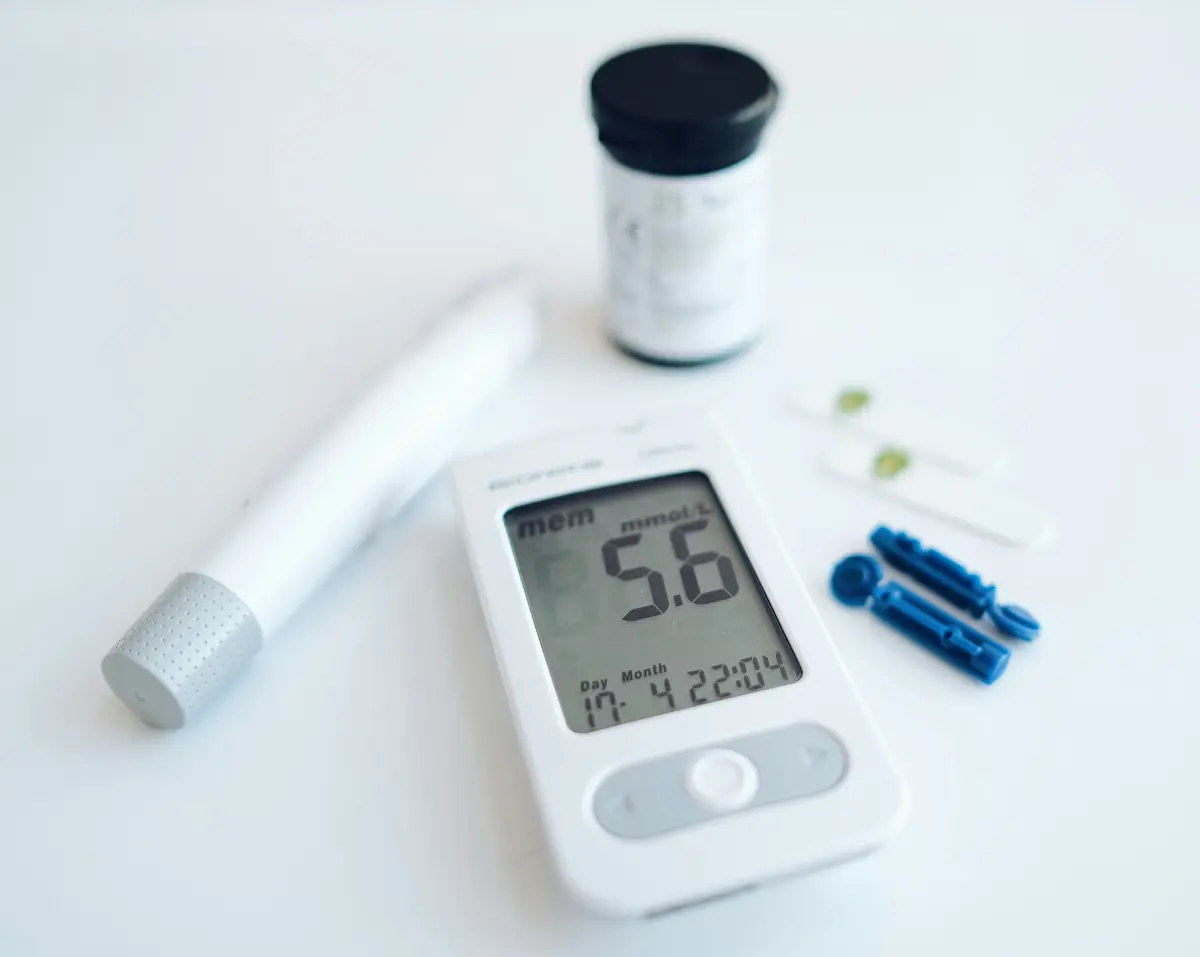
Living with Diabetes in Qatar: the LDQ Cohort
A five-year cohort following adults with type 2 diabetes across four care settings, to learn how digital and AI advice shapes diabetes distress and self-management.
 Project leadDr. Zubair Shah
 Connected and proactive care
Proactive Care
AI-driven healthcare surveillance and proactive care recommendation in smart environments
AI that brings together data from connected health devices and clinical knowledge to spot changes early and recommend timely, personalised care for people living with diabetes.
Project leadDr. Zubair Shah
1 paper
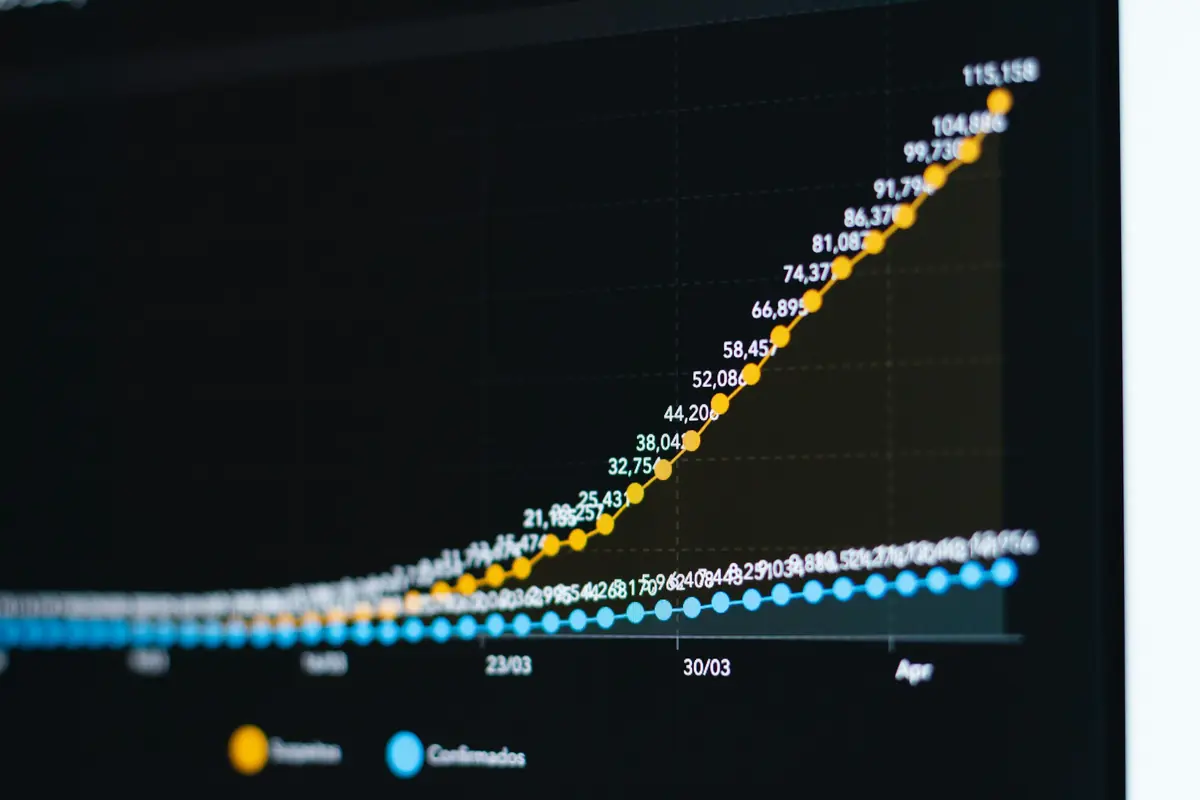 Risk prediction
Longitudinal Risk
Longitudinal analysis of risk factors associated with diabetes using multimodal data and machine learning
PhD research that fused bone scans, retinal images, ECG, genetic, laboratory and lifestyle data from Qatar Biobank to predict who will develop type 2 diabetes, and to study its complications.
Project leadDr. Sulaiman Khan
5 papers
شارك معنا
Whether you live with diabetes, care for someone who does, treat patients, study or do research, there is a place for you in DAQIQ. Choose the option that fits you.
Taking part is always voluntary. Registering your interest means we may contact you when a study opens. It does not enrol you in any study.
آخر الأخبار
Dr. Zubair Shah at 7th International Conference on Medical Imaging and Computer-Aided Diagnosis (MICAD 2026), Edinburgh, United Kingdom.
His thesis used longitudinal Qatar Biobank data to predict type 2 diabetes years before it starts. He continues with DAQIQ as a Research Assistant.
Artificial intelligence–based diabetes risk prediction from longitudinal DXA bone measurements
Scientific Reports 15: 25706
Artificial Intelligence in Healthcare (AIiH 2025), Lecture Notes in Computer Science 16038, Springer
Early prediction of type 2 diabetes using multimodal data and tabular transformers
3rd International Conference on Foundation and Large Language Models (FLLM 2025): 592–599, IEEE